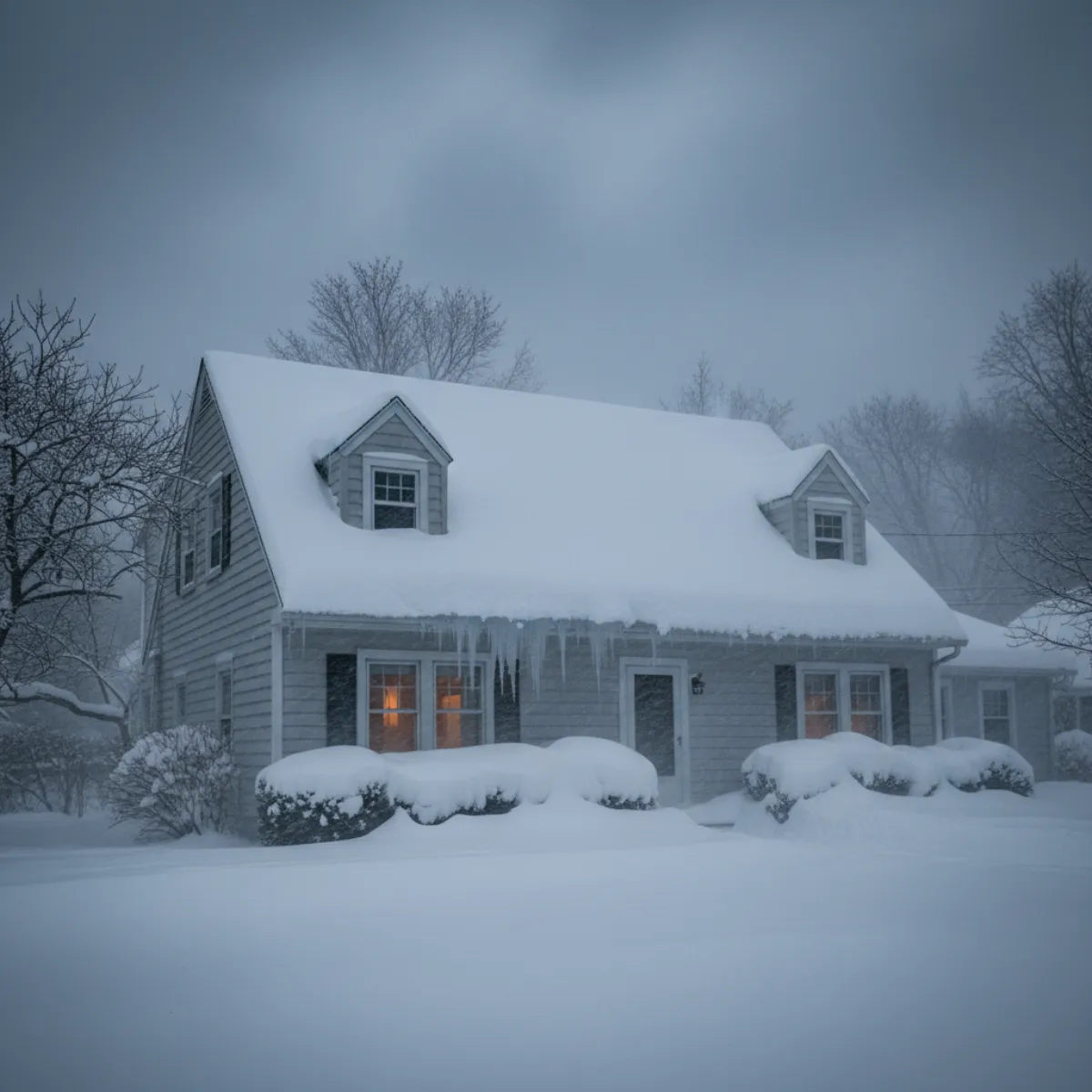
Why Nor'easters Are a NJ Roofing Concern
Nor'easters are extratropical cyclones that develop along the eastern North America coastline, with winds blowing from the northeast over the Mid-Atlantic and New England. New Jersey averages 3-5 significant nor'easter events each winter, typically October through April, peaking January through March. Wind gusts commonly reach 40-70 mph; coastal events can exceed 80 mph. The combination of prolonged duration (typically 24-72 hours), heavy precipitation (snow, sleet, ice, or rain depending on temperature), and persistent winds makes nor'easters one of the most damaging weather patterns for NJ roofing.
The four primary nor'easter damage modes for NJ roofs are: (1) wind-lift damage to shingles, especially aging 3-tab and lower-grade architectural shingles; (2) ice dam formationfrom snowmelt-refreeze cycles, especially over poorly ventilated attic space; (3) tree-fall impactfrom limbs weakened by saturated soil and wind loading; and (4) wind-driven rain intrusionunder shingles, around skylights, and through compromised flashings. Coastal NJ also faces storm surge flooding that can damage soffits, gutters, and the roof system from below.
Notable recent NJ nor'easters include the January 2018 bomb cyclone (60+ mph winds, coastal flooding), the March 2018 nor'easter sequence (four storms in 21 days), and various winter 2022-2024 events that caused widespread tree-fall and roof damage across northern NJ. Plan annually for at least one significant nor'easter impact.
Pre-Nor'easter Roof Checklist
48–24 hours before storm:
- Clear all gutters and downspouts. Clogged gutters during snow/sleet events cause ice dams that force water under shingles.
- Inspect and re-secure any loose, lifted, or curling shingles. Re-nail or seal tabs that show movement.
- Trim overhanging tree branches within 6-10 feet of the roof. Falling limbs are the leading cause of structural NJ nor'easter roof damage.
- Check attic ventilation: ridge vents clear of obstruction, soffit vents not blocked by insulation. Proper attic airflow prevents ice dams.
- Clear existing rooftop snow if another storm is approaching. Accumulated snow loads above 25-30 lbs per sqft can exceed NJ structural design loads.
- Photograph your roof from multiple angles and document interior ceilings for insurance documentation.
- Verify your homeowners policy is current and confirm your specific deductible structure.
Emergency Repair Costs in NJ
| Emergency Service | NJ Cost Range |
|---|---|
| Small tarp (10x10) on accessible roof | $500–$800 |
| Medium tarp (15x20) on moderate-pitch roof | $800–$1,500 |
| Large tarp (20x30+) or steep/multi-story | $1,500–$2,500 |
| Tree limb removal from roof | $500–$2,000 |
| Emergency ice dam steaming (per dam) | $500–$1,500 |
| Active surcharge (during/24h after storm) | +50–100% |
Insurance typically covers emergency tarping as loss mitigation. Save all receipts and photograph damage before tarping.
NJ Nor'easter Impact by County
Highest Wind & Surge: Cape May, Atlantic, Ocean, Monmouth Counties
Coastal NJ sees the highest sustained nor'easter winds (60-80 mph gusts) and direct storm surge that can damage soffits, gutters, and ground-level roof structure. Sea Bright, Long Beach Island, and Cape May historically among hardest-hit.
Heaviest Snow & Ice Dams: Sussex, Warren, Morris, Bergen Counties
North Jersey highlands see the heaviest snow accumulation (often 12-24+ inches in major events). Ice dam formation is the dominant damage mode here; budget for proper attic ventilation upgrades and ice and water shield extending 24+ inches from the eave.
Mixed Precipitation Zone: Mercer, Hunterdon, Middlesex, Union, Somerset Counties
Central NJ frequently sits at the snow/sleet/rain transition. Repeated snowmelt-refreeze cycles create the worst ice dam conditions. Tree-fall from saturated soils combined with high winds is common.
Urban Wind Funneling: Hudson, Essex, Camden Counties
Dense urban building patterns can amplify wind speeds at certain street angles. Flat roof membrane lift and chimney/flashing damage are common modes.
NJ Insurance Claim Filing
File your NJ nor'easter roof damage claim with this step-by-step process:
- Document damage immediately with dated photos and video.
- Prevent further damage by tarping exposed areas; keep receipts.
- Contact your insurance carrier within 72 hours; request a claim number.
- Confirm your specific deductible. NJ shore policies often have separate wind/storm deductibles.
- Get a written damage assessment from a licensed NJ contractor.
- Meet the insurance adjuster on site, ideally with your contractor present.
- Get multiple repair/replacement quotes for comparison.
- If the adjuster estimate is low, request re-inspection, hire a NJ public adjuster, or invoke the appraisal clause in your policy.
The NJ Department of Banking and Insurance (NJ DOBI) at dobi.nj.govregulates NJ insurance carriers and assists homeowners with claim disputes. You can file complaints through the NJ DOBI consumer assistance line.
Nor'easter Roof Damage in New Jersey: Frequently Asked Questions
Does NJ homeowners insurance cover nor'easter roof damage?
Yes, standard NJ homeowners insurance (HO-3) policies cover nor'easter roof damage from wind, falling trees, ice dam-related water intrusion, and wind-driven rain. These are named perils included in HO-3 coverage. Your policy pays for repairs or replacement minus your deductible (typically $1,000-$2,500 for non-coastal NJ homes; coastal NJ properties may have higher percentage-based wind/storm deductibles). Insurance does NOT cover damage from pre-existing wear, deferred maintenance, or a roof already past its useful life. NJ regulations allow up to 1 year to file but reporting within 72 hours is strongly recommended. Document your roof annually with photos and keep maintenance records to support future claims.
How should I prepare my New Jersey roof for a nor'easter?
Pre-nor'easter NJ roof checklist: (1) Clear gutters and downspouts so meltwater and rain drain freely; clogged gutters cause ice dams. (2) Inspect and re-secure loose or lifted shingles before the storm. (3) Trim overhanging tree branches within 6-10 feet of the roof. NJ nor'easters commonly produce 50-70 mph wind gusts at the shore and 40-60 mph inland; falling limbs are the #1 cause of structural roof damage. (4) Verify attic ventilation and insulation; proper attic airflow prevents the rapid snowmelt-refreeze that causes ice dams. (5) Secure roof-mounted equipment. (6) Clear existing snow if another storm is approaching; accumulated loads above 25-30 psf can exceed structural design loads. (7) Photograph your roof from multiple angles for insurance documentation.
How much does emergency roof tarping cost in New Jersey?
Emergency roof tarping in NJ costs $500-$2,500 depending on damaged area size, roof access, and timing. A standard 10x10-foot tarp on an accessible moderate-pitch roof runs $500-$800. Larger areas (20x20 ft+), steep slopes, or multi-story homes cost $1,200-$2,500. During active nor'easters or in the immediate 24-48 hour aftermath, emergency surcharges of 50-100% are common because demand overwhelms NJ contractor capacity. Insurance typically covers emergency tarping as loss mitigation that protects the property from further damage. Keep your receipt and photos. RoofVista pre-vetted NJ contractors include several offering 24/7 emergency response with transparent pricing.
How do I file a roof damage insurance claim after a NJ nor'easter?
(1) Document damage immediately with dated photos and video of all visible exterior and interior damage; (2) Prevent further damage with tarping or interior containment; keep all receipts; (3) Contact your insurance carrier within 72 hours and request a claim number; (4) Confirm your specific deductible and any wind/storm sublimits; (5) Get a written damage assessment from a licensed NJ contractor; (6) Meet the insurance adjuster on site, ideally with your contractor present; (7) Get multiple repair/replacement quotes; (8) If the adjuster estimate seems low, request re-inspection, hire a NJ-licensed public adjuster, or invoke the appraisal clause in your policy. The NJ Department of Banking and Insurance (NJ DOBI) at dobi.nj.gov can assist with disputes.
When is it safe to inspect my roof after a NJ nor'easter?
Wait at least 24-48 hours after the nor'easter ends before inspecting your roof, and only when conditions are safe: winds below 20 mph, no active precipitation, temperatures above freezing, daylight, and stable footing on cleared surfaces. Never walk on a wet, icy, or snow-covered roof. Falls from residential roofs cause over 30 fatalities annually nationally. Start with a ground-level perimeter walk: look for shingles on the lawn, missing or lifted areas visible from below, fallen limbs on the roof, sagging eaves, and damaged gutters. Use binoculars for closer inspection. Check inside your attic for daylight, water staining, or active drips. For anything beyond ground-level observation, hire a professional NJ roof inspector; many offer free post-storm inspections.
Can I get FEMA assistance for nor'easter roof damage in New Jersey?
FEMA Individual Assistance for nor'easter roof damage in NJ is available only when the President declares a federal disaster for affected counties. Not every nor'easter triggers a federal declaration. The state must first exhaust its own resources, then the Governor requests federal assistance, and FEMA must confirm damage exceeds state capacity. When available, FEMA assistance includes Housing Assistance for temporary repairs (up to about $42,500 in 2026), Other Needs Assistance, and SBA disaster loans at below-market rates. Apply at DisasterAssistance.gov or call 1-800-621-3362 within 60 days of the disaster declaration. Important: FEMA is the payer of last resort. You must file with insurance first; FEMA only covers gaps. The NJ Office of Emergency Management coordinates state-level assistance for sub-federal events.
Which NJ counties get hit hardest by nor'easters?
Coastal NJ counties (Cape May, Atlantic, Ocean, Monmouth) face the highest direct nor'easter impact because of storm surge, beach erosion, and the highest wind speeds (often 60-80 mph). Inland North Jersey (Sussex, Warren, Morris, Bergen) gets the heaviest snow accumulation, especially on the higher elevations of the NJ Highlands. Central NJ (Mercer, Hunterdon, Middlesex) typically sees mixed wintry precipitation that creates the worst ice dam conditions because snowmelt-refreeze cycles are most severe in the snow/sleet/rain transition zone. Every NJ county has nor'easter exposure each winter; the type and severity of damage just shifts by geography.
How do nor'easters differ from hurricanes for NJ roofing?
Nor'easters are extratropical cyclones that develop along the eastern North America coast, primarily October through April. They typically produce 40-70 mph winds (sometimes higher), heavy rain or snow, prolonged precipitation (24-72 hours), and significant storm surge along the NJ coast. Hurricanes are tropical cyclones with stronger peak winds (74+ mph for hurricane status), shorter duration impact (12-24 hours of peak intensity), and June-November timing. For NJ roofing, nor'easters cause more cumulative damage from prolonged wind, ice dam formation, and tree-fall from saturated soils, while hurricanes cause more catastrophic single-event damage. Both deserve serious preparation; both are covered under standard NJ homeowners wind perils.
Get Post-Storm Roof Quotes for Your NJ Home
Compare nor'easter repair, ice dam removal, and full replacement pricing from pre-vetted New Jersey contractors. Free instant estimate based on your actual roof dimensions.
No spam. No phone calls. Instant quotes from vetted contractors.