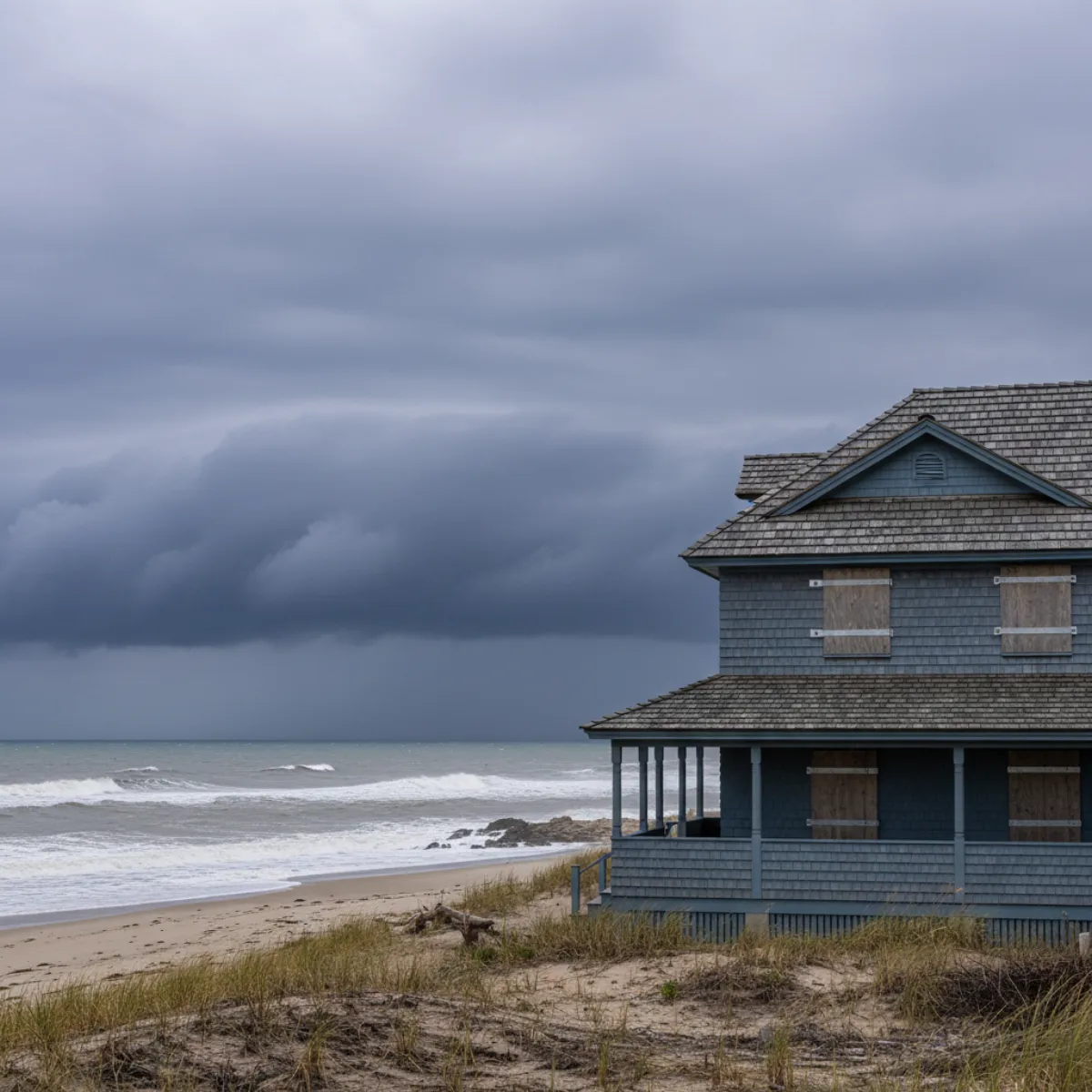
Why New Jersey Roofs Need Hurricane Preparation
New Jersey sits on the Atlantic seaboard and is exposed to tropical storms, hurricanes, and post-tropical cyclones every 3-5 years on average. The Jersey Shore — Cape May, Atlantic, Monmouth, and Ocean Counties — faces direct landfall risk; inland NJ still experiences damaging wind, prolonged rainfall, and tree-fall damage from tropical systems pushing inland. Proper hurricane roof preparation is part of standard NJ home maintenance, not an optional precaution.
The most influential storm in NJ memory remains Hurricane Sandy (October 29, 2012), which made landfall as a post-tropical cyclone with 80-90 mph wind gusts and 8-13 foot storm surge along the NJ coast. Sandy caused over $30 billion in NJ property damage and triggered enduring changes to building codes, insurance underwriting, and FEMA elevation maps. Other recent storms with significant NJ roof impact include Tropical Storm Isaias (August 2020, widespread wind and tree damage), Tropical Storm Henri (2021), and Hurricane Ida (September 2021, primarily flooding).
This guide is evergreen: it applies to any tropical system threatening NJ, not just hurricanes. The checklists, code requirements, and insurance guidance below should inform your annual hurricane-season preparation regardless of the specific storm forecast.
Pre-Storm Roof Checklist (NJ-Specific)
72–48 hours before storm landfall:
- Walk the perimeter of your home and inspect for loose, lifted, or curling shingles. Re-secure or repair before the storm if accessible.
- Clean gutters and downspouts. Storm rainfall in NJ tropical events can exceed 4-6 inches per hour; clogged gutters cause water backup under shingles.
- Trim tree branches within 6-10 feet of the roof. Falling limbs are the #1 cause of structural roof damage in NJ tropical events.
- Secure satellite dishes, antennas, and any roof-mounted equipment. Loose hardware becomes a projectile in 80+ mph winds.
- Photograph your roof from multiple angles and document interior ceilings as an insurance baseline.
- Verify your homeowners insurance policy is current and confirm your hurricane/named-storm deductible structure with your agent.
24 hours before storm landfall:
- Move vehicles into garages or away from large trees and overhead power lines.
- Secure outdoor furniture, grills, planters, and anything else that could become wind-driven debris.
- Have a tarp (16x20 ft minimum), plywood, and roofing nails on hand for emergency post-storm patching.
- Charge phones, secure flashlights and batteries; expect multi-day power outages in any direct strike.
- Identify your safe interior shelter location (interior windowless room, lowest floor for non-flood-zone homes).
NJ Coastal Construction Code & Wind Ratings
The NJ Uniform Construction Code adopts the International Building Code (IBC) and ASCE 7 wind speed maps, which divide NJ into wind zones based on basic wind speed (3-second gust). For roofing, the practical implications are:
- Coastal NJ (within roughly 1 mile of Atlantic): 130 mph design wind speed. Shingles must be rated for 130 mph and installed with 6 nails per shingle minimum, often with hand-sealing required.
- Wind-borne debris region: Within 1 mile of the Atlantic and at elevations subject to debris impact. May require impact-resistant glazing on openings and enhanced roof attachment.
- Inland NJ: 110 mph design wind speed for most counties. Standard 110 mph shingles meet code with proper installation.
Your local building department issues permits based on these zones. Always verify your specific zone with the municipal building official before specifying roofing materials, especially in shore communities where code interpretation can vary.
NJ Hurricane Risk Profile by County
Highest Risk: Ocean & Monmouth Counties
Direct Atlantic exposure. Sandy storm surge reached up to 13 feet in parts of Monmouth and Ocean Counties. Toms River, Brick, Lavallette, Mantoloking, Long Beach Island, Spring Lake, Sea Bright. Specify 130 mph wind-rated shingles minimum.
High Risk: Atlantic, Cape May Counties
Direct Atlantic exposure. Atlantic City, Margate, Ventnor, Cape May, Wildwood, Avalon, Stone Harbor. Storm surge plus high winds. 130 mph wind ratings required by NJ Coastal Construction Code.
Moderate Risk: Bergen, Hudson, Essex, Union, Middlesex Counties
Wind exposure from inland-tracking systems. Sandy and Isaias both caused widespread tree-fall and roof damage in North Jersey suburbs. Standard 110 mph shingle code with proper installation.
Lower-but-Present Risk: Inland and Northwest NJ
Hunterdon, Somerset, Morris, Sussex, Warren Counties. Most exposure is to wind and tree damage from declining tropical systems and to flash flooding. Less direct landfall risk but still significant property impact in major events.
Best Roofing Materials for NJ Hurricane Zones
- Standing seam metal (110-160 mph rated): Best wind performance available. Aluminum preferred at the shore for salt resistance.
- Impact-resistant Class 4 shingles: GAF Timberline AS II, CertainTeed Landmark IR, Owens Corning Duration FLEX. Pair with Master Elite installer for 130 mph warranty.
- Concrete or clay tile: Rare in NJ but extremely wind-resistant. Heavy weight requires structural verification.
- Synthetic slate (DaVinci, Brava, EcoStar): Class 4 impact and 110-130 mph wind ratings. Lighter than natural slate, no structural retrofit needed.
- Avoid: 3-tab shingles (60-90 mph max), low-end architectural shingles without high-wind upgrade, and any product without a documented installer warranty.
NJ Insurance: Hurricane & Named-Storm Deductibles
Coastal NJ homeowners policies typically include a hurricane or named-storm deductiblecalculated as a percentage (commonly 1-5%) of the home insured value. This is separate from and higher than your standard all-other-perils deductible. For a $500,000 insured home with a 2% named-storm deductible, you would pay $10,000 out of pocket before insurance coverage applies to a hurricane claim.
The trigger for the higher deductible is typically the National Hurricane Center naming the storm; some policies trigger on tropical storm warning, others on hurricane warning, and others only on actual landfall. Confirm the trigger condition with your agent in writing before hurricane season.
Flood is not covered by standard NJ homeowners policies. Storm surge, tidal flooding, and rising water from tropical systems require separate flood insurance through the National Flood Insurance Program (NFIP) or the private flood insurance market. NJ has aggressive participation in NFIP; consult the NJ Department of Banking and Insurance (NJ DOBI) at dobi.nj.gov for resources, and the FEMA flood map service at msc.fema.gov for your specific flood zone.
Hurricane Roof Preparation in New Jersey: Frequently Asked Questions
How often does New Jersey get hit by hurricanes?
New Jersey is directly affected by tropical storms or hurricanes every 3-5 years on average, with major impacts (Category 1 or stronger making landfall in or very near NJ) less frequent. The most significant in living memory remains Hurricane Sandy (October 2012), which caused over $30 billion in NJ property damage and reshaped how the state prepares for tropical weather. Other notable storms include Hurricane Ida (2021, primarily flooding), Tropical Storm Henri (2021), Tropical Storm Isaias (2020, widespread wind damage), and Hurricane Irene (2011). The Jersey Shore (Cape May, Atlantic, Monmouth, Ocean Counties) faces the highest direct risk; inland NJ counties are still subject to wind, rain, and tree damage from tropical systems moving inland.
What wind-rated shingles do I need for the Jersey Shore?
The NJ Coastal Construction Code (which adopts ASCE 7 wind zones) requires shingles rated for at least 130 mph (3-second gust) for most coastal NJ properties within the wind-borne debris region. Inland NJ requires 110 mph minimum. To meet 130 mph, specify high-wind versions of GAF Timberline HDZ (with Master Elite installer warranty), CertainTeed Landmark Pro, Owens Corning Duration Premium with SureNail, or impact-resistant Class 4 versions of any of these. Standard 110 mph shingles installed at the shore may not meet code and can void manufacturer wind warranties. Always confirm the wind rating of your specified shingle and the required installation method (typically 6 nails per shingle, hand-sealed in cold weather).
What should I do to prepare my New Jersey roof before a hurricane?
Pre-hurricane NJ roof checklist: (1) Inspect for and re-secure any loose, lifted, or curling shingles; (2) Clean gutters and downspouts so storm rainfall can drain freely; (3) Trim tree branches within 6-10 feet of the roof to prevent impact damage from falling limbs; (4) Secure or remove satellite dishes, antennas, lawn furniture near the home, and other potential projectiles; (5) Photograph your roof from multiple angles and document interior ceilings for insurance baseline; (6) Verify your homeowners policy is current and confirm your hurricane/named-storm deductible (often separate from the standard deductible); (7) Move vehicles into garages or away from large trees; (8) Have a tarp, plywood, and roofing nails on hand for emergency post-storm patching.
Is Hurricane Sandy still relevant to New Jersey roofing decisions today?
Hurricane Sandy (October 29, 2012) remains the most influential storm event for NJ building codes, insurance underwriting, and hurricane preparedness practice. Sandy struck as a post-tropical cyclone but generated 80-90 mph wind gusts, 8-13 foot storm surge, and over $30 billion in NJ property damage. Its lasting impacts on NJ roofing include: stricter NJ Coastal Construction Code adoption with enhanced wind ratings, broader use of impact-resistant shingles in shore towns, expanded ice and water shield requirements, and hardened insurance underwriting in Cape May, Atlantic, Monmouth, and Ocean Counties. Frame Sandy as evergreen historical context: hurricane prep should treat any future tropical system with the same seriousness, not assume Sandy was a one-off.
Does my NJ homeowners insurance cover hurricane roof damage?
Standard NJ homeowners (HO-3) policies cover wind, hail, and falling-object roof damage from hurricanes and tropical storms. However, coastal NJ policies often include a separate hurricane or named-storm deductible that is calculated as a percentage (typically 1-5%) of the home insured value, not a flat dollar amount. For a home insured at $500,000 with a 2% named-storm deductible, you would pay $10,000 out of pocket before coverage kicks in. This is meaningfully higher than the standard deductible (typically $1,000-$2,500). Flooding from storm surge or rising water is NOT covered by standard homeowners policies and requires separate flood insurance through the National Flood Insurance Program (NFIP) or private market. Confirm your specific deductible structure with your agent before hurricane season.
When is hurricane season in New Jersey?
The Atlantic hurricane season runs June 1 through November 30, with peak NJ risk from mid-August through mid-October when tropical systems most often track into the Mid-Atlantic. Historically, late August (Hurricane Irene, 2011), late October (Hurricane Sandy, 2012), early September (Hurricane Ida, 2021), and early August (Tropical Storm Isaias, 2020) have been particularly active for NJ. Schedule any planned roofing work to be completed before mid-August or after mid-November to avoid the highest-probability tropical impact window.
How do I find a qualified hurricane-rated roofer in New Jersey?
For coastal NJ hurricane-rated roof installations, verify three things: (1) NJ Home Improvement Contractor (HIC) registration with the Division of Consumer Affairs; (2) Manufacturer Master/Elite installer status with GAF, CertainTeed, or Owens Corning, which is required for the high-wind warranty extension; (3) Documented experience with coastal NJ permits and the NJ Coastal Construction Code, including familiarity with FORTIFIED roofing standards and enhanced fastening schedules. RoofVista pre-vets NJ roofing contractors and can match your project to crews with documented hurricane-zone installation experience.
After a hurricane, when is it safe to inspect my NJ roof?
Wait at least 24-48 hours after a hurricane or tropical storm passes before inspecting your roof, and only when conditions are safe: winds below 25 mph, no active precipitation, clear access without downed power lines or unstable trees nearby. Never walk on a wet roof. Falls are the leading cause of post-storm roofing injuries. Start with a ground-level perimeter walk: look for shingles on the lawn, missing or lifted areas visible from the ground, fallen branches on the roof, sagging eaves, and damaged gutters. Use binoculars for closer inspection. Check inside your attic for daylight, water staining, or active drips. For anything beyond ground-level observation, hire a qualified NJ roof inspector. Many NJ contractors offer free post-storm inspections; RoofVista can connect you with pre-vetted local inspectors typically within 24-72 hours after major storms.
Get Hurricane-Ready Roof Quotes for Your NJ Home
Compare wind-rated shingle, impact-resistant, and metal roof pricing from pre-vetted New Jersey hurricane-zone contractors. Free instant estimate based on your actual roof dimensions.
No spam. No phone calls. Instant quotes from vetted contractors.