The DFW Roofing Landscape: America's Most Hail-Battered Metro
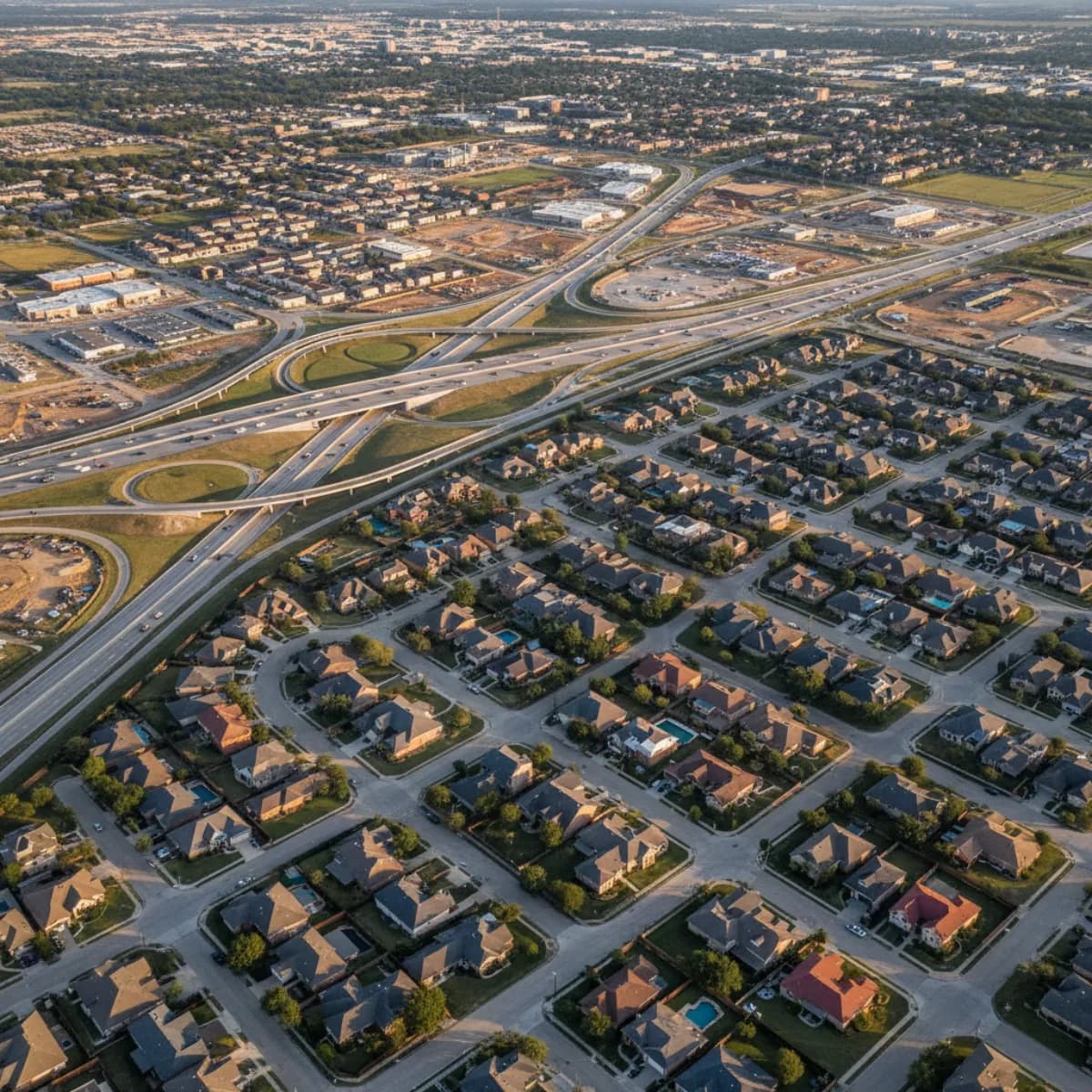
The Dallas-Fort Worth Metroplex is the 4th largest metropolitan area in the United States with a population exceeding 7.6 million residents spread across 13 counties and more than 9,000 square miles of North Texas. From the gleaming towers of downtown Dallas and the historic Stockyards of Fort Worth to the master-planned communities of Collin County and the lakeside estates of Flower Mound, the DFW Metroplex encompasses one of the most diverse and rapidly growing urban landscapes in America.
But for homeowners, DFW is defined by a single inescapable reality: this metroplex sits squarely in the heart of Hail Alley. The convergence of warm, moist Gulf air from the south, dry desert air from the west, and cold fronts dropping from the northern plains creates an atmospheric battleground directly over North Texas. The result is severe supercell thunderstorms that generate hailstones capable of destroying roofs in minutes. DFW consistently ranks among the top 3 most hail-damaged metropolitan areas in the entire United States, with annual insured hail losses in the billions of dollars.
The typical DFW home spans 2,000 to 3,000 square feet with architectural shingle roofing on a 15-25 year replacement cycle — though in practice, hail damage shortens that cycle to 5-8 years for standard shingles in many neighborhoods. The average roof replacement costs $8,000 to $15,000 for standard materials, with Class 4 impact-resistant upgrades adding 15-25% but delivering significant insurance premium reductions of 10-35% annually.
RoofVista serves every corner of the DFW Metroplex — from the premium estates of Southlake and Highland Park to the established neighborhoods of Arlington and Mesquite. Enter your address to get an instant satellite-based estimate, then compare standardized quotes from pre-vetted local contractors who understand DFW hail, HOA requirements, and Texas building codes.
Metro Population
4th largest metro in the U.S.
Major Hail Events / Year
Top 3 most hail-damaged U.S. metro
Average Replacement Cost
2,000-3,000 sqft home with architectural shingles
DFW Sub-Region Roofing Guide
Each corridor of the metroplex has distinct roofing needs shaped by housing stock, hail patterns, HOA density, and local building standards.
North Dallas & Collin County
Key cities: Plano, Frisco, McKinney, Allen, Richardson
Collin County is the epicenter of DFW hail damage and one of the fastest-growing corridors in America. This region combines rapid suburban development with some of the highest hail frequencies in the entire metroplex. Master-planned communities like Stonebriar Ranch in Frisco, Windsong Ranch in Prosper, and Craig Ranch in McKinney feature large homes (2,500-4,000+ sqft) with strict HOA requirements that dictate roofing materials, colors, and manufacturer product lines. Class 4 impact-resistant shingles are the standard here — not a luxury, but a necessity. Insurance companies increasingly require them for new policies in Collin County. Plano and Richardson, the more established cities, feature a mix of 1970s-80s ranch homes and newer construction, each with different roofing needs. The Legacy business corridor and Frisco Star district draw high-income homeowners who expect premium aesthetics alongside maximum hail protection.
East Dallas & Rockwall
Key cities: Garland, Mesquite, Rockwall, Rowlett
East Dallas and the Lake Ray Hubbard corridor offer a more affordable alternative to Collin County with many homes in the 1,600-2,400 sqft range. Garland and Mesquite feature extensive neighborhoods from the 1960s-80s building boom, where aging roofs combined with annual hail create a near-constant replacement cycle. Rockwall, the smallest county in Texas by area, has seen explosive growth with upscale lakefront communities that demand premium roofing with both hail protection and curb appeal. The proximity to Lake Ray Hubbard creates localized microclimate effects — the lake can intensify thunderstorms tracking from the west, occasionally producing larger hailstones on the eastern shore. Homeowners in this corridor benefit significantly from competitive pricing as contractors serving central Dallas also cover these communities.
South Dallas & Ellis County
Key cities: Grand Prairie, DeSoto, Cedar Hill, Waxahachie
South Dallas and the Ellis County communities represent a growing market where suburban expansion meets historically rural areas. Grand Prairie, straddling Dallas and Tarrant counties, is one of the most diverse and rapidly developing cities in the metroplex with homes ranging from 1950s-era bungalows to brand-new master-planned subdivisions. Cedar Hill and DeSoto offer hillier terrain than most of DFW, which creates unique roof geometries with multiple slopes, valleys, and varying sun exposure that accelerate shingle wear on south-facing planes. Waxahachie and Midlothian, once small towns, are now booming bedroom communities where new construction often specifies Class 4 shingles from the start. The southern tier of DFW generally sees slightly fewer hail events than Collin County but remains well within the high-risk zone — typically 6-9 significant hailstorms per year.
Fort Worth & Tarrant County
Key cities: Fort Worth, Arlington, Southlake, Keller
Tarrant County anchors the western half of the metroplex and presents distinct roofing characteristics from the Dallas side. Fort Worth proper ranges from the historic Fairmount District with early 1900s Craftsman homes requiring period-appropriate materials to modern subdivisions in the rapidly expanding far north and west. Arlington, positioned centrally between Dallas and Fort Worth, has one of the highest roof replacement volumes in the metroplex due to its large housing stock from the 1970s-90s. The Southlake-Keller-Colleyville triangle is DFW premium roofing territory: median home values exceed $600,000, home sizes average 3,000-5,000 sqft, and homeowners expect designer-grade materials with maximum hail protection. Weatherford and the western frontier see the earliest hail impacts from storms tracking eastward, giving communities on the western edge the first exposure to incoming severe weather.
Mid-Cities & Irving
Key cities: Irving, Carrollton, Flower Mound, Lewisville
The Mid-Cities corridor stretches along the Highway 114 and Interstate 635 corridors, bridging Dallas and Fort Worth with some of the metroplex most established and desirable suburban communities. Irving combines dense urban development around Las Colinas with older residential neighborhoods south of Highway 183 — a mix that creates widely varying roofing needs within a single city. Carrollton straddles three counties (Dallas, Denton, and Collin) and features a blend of 1970s-80s homes in Old Carrollton with newer construction in Castle Hills and Indian Creek. Flower Mound and Highland Village offer premium lakeside living along Lewisville Lake with larger homes (2,800-4,000+ sqft) and active HOAs. Denton, anchoring the northern edge, is a rapidly growing university city where student rental properties and new family homes create diverse roofing demand. The Mid-Cities corridor sits in the direct path of the most common DFW storm tracks — supercells that develop in the western plains and track northeast across the metroplex, making this region consistently susceptible to hail.
Hail Damage & Insurance Claims in DFW
DFW is the epicenter of hail damage claims in the United States. Understanding the claim process and your rights under Texas law is critical for every metroplex homeowner.
DFW Hail Damage by the Numbers
10-12 significant hail events per year
Peak season: March through June
$1B+ in single-storm losses
June 2019 storm caused $2B in DFW damage
5-8 year effective shingle life
Standard shingles rated 25-30 years but fail early
1-2% wind/hail deductible
On a $350K home: $3,500-$7,000 out of pocket
Your DFW Insurance Claim Checklist
Document Damage Immediately
As soon as the storm passes, take extensive photos and video of all visible damage — wide-angle shots of the full roof from ground level, close-ups of dents and granule loss, and photos of hail damage on gutters, window screens, AC units, and vehicles. Collect and photograph hailstones next to a ruler. Save weather reports and NWS hail data for your zip code.
Get an Independent Professional Inspection
Before contacting your insurer, get a thorough roof inspection from a vetted local contractor — not a storm chaser. A qualified inspector will document hail strikes per test square, photograph all damage points, and provide a written assessment. This independent report gives you leverage when the insurance adjuster arrives.
File Your Claim Within the Deadline
Texas policies typically require claims within one year of the storm. Under the Texas Prompt Payment of Claims Act (Chapter 542), insurers must acknowledge claims within 15 days and pay within 5 business days of approval. File as soon as possible and keep records of every communication.
Compare Quotes from Pre-Vetted Contractors
Once your claim is approved, compare standardized quotes through RoofVista rather than accepting the first offer from a door-to-door solicitor. Our pre-vetted contractors have local DFW presence, proper Texas licensing, and experience with insurance restoration work. Standardized scope comparison ensures you get quality work at fair market pricing.
Storm Chaser Warning
After every major DFW hailstorm, out-of-state storm chasers flood neighborhoods within hours. Red flags: door-to-door solicitation immediately after a storm, offers to waive your insurance deductible (illegal under TX Insurance Code 27.02), pressure to sign on the spot, no permanent Texas business address, and large upfront deposit requests. Under the Texas DTPA, you have a 3-day right to cancel any home solicitation contract. Read our full hail damage guide.
DFW Climate Challenges for Roofing
The DFW Metroplex subjects roofing materials to one of the harshest climate combinations in America: extreme hail, punishing heat, tornadoes, and occasional ice storms — often within the same season.
Hail Storms: The Defining Threat
Extreme RiskDFW is ground zero for hail damage in America. The metroplex averages 10-12 significant hail events per year, with peak season from March through June. Supercell thunderstorms regularly produce hailstones exceeding 2 inches in diameter — some storms have generated hail larger than softballs (4+ inches). A single DFW hailstorm can cause over $1 billion in insured losses. The June 2019 storm caused $2 billion in damage across the metroplex. In many neighborhoods, standard architectural shingle roofs last only 5-8 years before hail necessitates replacement, far short of their 25-30 year rated lifespan. This reality makes Class 4 impact-resistant materials not a luxury but a financial necessity for DFW homeowners.
Extreme Summer Heat & UV Radiation
High RiskDFW summers are brutal on roofing materials. Temperatures regularly exceed 100 degrees Fahrenheit from June through September, with roof surface temperatures reaching 150-170 degrees F in direct sun. This extreme heat accelerates the oxidation of asphalt shingles, causing granule loss, curling, and premature brittleness. The intense UV radiation further degrades organic compounds in roofing materials. The heat-hail combination is particularly punishing: heat-degraded shingles are far more vulnerable to hail impact damage. Proper attic ventilation and radiant barrier installation are critical to extending roof life and reducing cooling costs, which can exceed $300/month for larger DFW homes.
Tornadoes & Straight-Line Winds
High RiskThe DFW Metroplex sits in the southern reaches of Tornado Alley. While direct tornado hits on any single property are relatively rare, the metroplex experiences multiple tornado warnings each spring season, and the October 2019 EF3 tornado that tore through North Dallas — damaging Preston Hollow, Lake Highlands, and Richardson — demonstrated the devastating potential. Beyond tornadoes, severe thunderstorms regularly produce straight-line winds of 60-80+ mph that can strip shingles, lift flashing, and damage ridge caps even without hail. Wind-rated materials (110+ mph) with enhanced deck attachment and six-nail installation patterns are essential for DFW roofs.
Winter Ice Storms & Freeze Events
Moderate RiskWhile DFW is known for extreme heat, winter ice storms pose a serious but often overlooked roofing threat. The February 2021 Winter Storm Uri brought unprecedented ice accumulation across the metroplex, with ice loads exceeding what most residential roofs are designed to bear. Ice dams form when warm attic air melts snow and ice on the roof surface, which refreezes at the eaves, forcing water under shingles and into the structure. North-facing roof slopes are most vulnerable. The rapid freeze-thaw cycles common in DFW winters — where temperatures can swing from 20 degrees F to 60 degrees F within 24 hours — stress roofing materials through thermal expansion and contraction.
Most Popular Roofing Materials in DFW
In a metro where hail is virtually guaranteed, material selection is the single most important roofing decision. Class 4 impact-resistant products dominate the DFW market for good reason.
Class 4 Impact-Resistant Architectural Shingles
The undisputed leader in DFW roofing. Class 4 shingles are engineered with polymer-modified asphalt and reinforced fiberglass mats that withstand repeated impacts from a 2-inch steel ball dropped from 20 feet (UL 2218 testing). In a metro where hail damage has become an annual certainty rather than a possibility, Class 4 shingles transform roofing from a reactive expense into a proactive investment. Most Texas insurers offer 10-35% premium discounts for verified Class 4 installations, which typically recoups the 15-25% upgrade cost within 3-5 years. Brands like Owens Corning Duration FLEX, GAF Timberline AS II, and CertainTeed Landmark IR dominate the DFW market.
Cost Range
$9,000 - $16,000
Lifespan
25-35 years
Best For
All DFW homes
Insurance Benefit
10-35% annual premium discount
Standing Seam Metal Roofing
Standing seam metal provides the ultimate hail defense for DFW homeowners. The concealed fastener system and continuous metal panels resist hail impact without the granule loss and cracking that plagues asphalt shingles. While cosmetic denting is possible from very large hailstones, the waterproofing integrity remains intact. Metal roofs also reflect solar radiation, reducing cooling costs by up to 25% in DFW summers. With a 40-60 year lifespan, metal roofing often outlasts two or three asphalt shingle replacements, making the higher upfront cost economical over time. Standing seam is increasingly popular in Southlake, Flower Mound, and other premium communities.
Cost Range
$15,000 - $30,000
Lifespan
40-60 years
Best For
Long-term homeowners, premium communities
Insurance Benefit
Maximum hail resistance classification
Synthetic Slate & Composite Tile
Synthetic slate and composite tile products deliver the luxury appearance of natural stone or clay with Class 4 impact resistance and a fraction of the weight. In DFW communities like Southlake, Westlake, Highland Park, and University Park where aesthetic standards are as important as performance, synthetics provide the perfect balance. Products like DaVinci Roofscapes and Brava Roof Tile replicate the dimensional beauty of natural slate while engineering in the impact resistance that DFW climate demands. The lighter weight (typically 50-70% less than natural stone) means no structural reinforcement is needed, keeping installation costs manageable.
Cost Range
$20,000 - $45,000
Lifespan
50+ years
Best For
Upscale communities, HOA-strict neighborhoods
Insurance Benefit
Class 4 rated, premium discounts
Stone-Coated Steel Tile
Stone-coated steel tiles combine the durability of metal with the textured appearance of traditional tile or shake, making them a compelling option for DFW homeowners who want both aesthetics and extreme weather resistance. The steel core provides inherent hail and wind resistance (many products rated to 150+ mph), while the stone coating adds visual texture, sound dampening, and UV protection. Products like DECRA and TILCOR have gained significant traction in DFW, particularly in communities where HOAs require a "traditional" roof appearance but homeowners want metal-grade performance.
Cost Range
$12,000 - $25,000
Lifespan
40-50 years
Best For
HOA communities wanting metal performance
Insurance Benefit
Class 4 rated, high wind resistance
HOA Requirements in DFW Master-Planned Communities
The DFW Metroplex is one of the most HOA-dense regions in America, with Collin County leading the way. Cities like Frisco, Plano, McKinney, Allen, and Prosper are dominated by master-planned communities where Homeowners Associations maintain strict architectural control over exterior modifications — including roofing materials, colors, profiles, and sometimes specific manufacturer product lines.
Failing to comply with HOA roofing requirements can result in daily fines, forced removal and replacement at the homeowner's expense, and even liens against the property. Before starting any roofing project in a DFW HOA community, take these steps:
Request the Architectural Guidelines
Obtain the current CC&Rs and architectural review committee (ARC) guidelines from your HOA. These documents specify approved roofing materials, acceptable color palettes, profile requirements (dimensional vs. flat), and any manufacturer restrictions.
Submit Material Samples
Most DFW HOAs require you to submit physical samples of the proposed roofing material and color for ARC approval before work begins. Allow 2-4 weeks for review. Some communities maintain a pre-approved list that expedites approval.
Insurance Claim Considerations
When your insurance company approves a hail damage claim, ensure the settlement covers HOA-compliant materials — which may cost more than standard options. Document your HOA requirements and submit them with your claim to justify material-specific pricing.
Work with HOA-Experienced Contractors
RoofVista pre-vetted contractors serving DFW are experienced with HOA processes across Collin, Denton, and Tarrant counties. They can help navigate ARC submissions, recommend pre-approved materials, and ensure installation meets both HOA standards and Texas building codes.
DFW Roof Replacement Costs by Material
Roofing costs in the DFW Metroplex are shaped by several factors unique to the region: the near-universal demand for impact-resistant materials, the high volume of hail damage claims that keep contractor capacity tight during peak season (March-June), HOA material requirements in master-planned communities, and the sheer size of the DFW contractor market that drives competitive pricing.
For a typical DFW home of 2,000 to 3,000 square feet, expect to pay $8,000 to $15,000 for a standard architectural shingle replacement, or $9,000 to $16,000 with the recommended Class 4 impact-resistant upgrade. Premium materials like standing seam metal or synthetic slate push costs to $15,000-$45,000 depending on home size and complexity. The table below shows current Texas pricing by material type. For a personalized estimate, enter your address at the top of this page.
For full cost details, see our Texas Roof Cost Guide.
Get Your Free DFW Roofing Estimate
Enter your address for an AI-powered satellite assessment. Compare quotes from pre-vetted DFW contractors — no spam, no obligation, no storm chasers.
Get Instant EstimateDFW Metroplex Communities We Serve
RoofVista connects homeowners with pre-vetted contractors across every major city and community in the Dallas-Fort Worth Metroplex.
Dallas County
City center, Highland Park, Lakewood, Uptown, Preston Hollow
Tarrant County
Fairmount Historic, TCU area, Westover Hills, Alliance corridor
Tarrant County
Central location between Dallas and Fort Worth, high replacement volume
Collin County
West Plano, Legacy corridor, Willow Bend — premium Collin County
Dallas County
Las Colinas urban, Valley Ranch, established south Irving neighborhoods
Dallas County
Firewheel, Duck Creek, affordable suburban corridor east of Dallas
Collin County
Stonebriar Ranch, Starwood, The Star — explosive growth and strict HOAs
Collin County
Historic downtown, Craig Ranch, Stonebridge — fastest-growing city in DFW
Dallas/Tarrant
Bridges two counties, mix of established and new construction
Denton County
University city, Robson Ranch, rapidly expanding northern anchor
Dallas County
Affordable east DFW, established 1960s-80s homes, active replacement cycle
Dallas/Denton/Collin
Three-county city, Old Carrollton, Castle Hills, Indian Creek
Dallas/Collin
Telecom Corridor, Canyon Creek, well-established neighborhoods
Collin County
Twin Creeks, Watters Creek — premium Collin County with strict HOAs
Denton County
Lakeside luxury along Lewisville Lake, large homes, active HOAs
Tarrant/Denton
Ultra-premium community, $600K+ median home values, designer roofing
Don't see your city listed? RoofVista covers the entire DFW Metroplex — enter your address for an instant estimate.
View all Texas locationsDFW Building Requirements & Permits
The DFW Metroplex spans dozens of municipalities, each with its own permitting process, building codes, and inspection requirements. While all jurisdictions follow the International Building Code (IBC) and International Residential Code (IRC) as adopted by Texas, local amendments and enforcement vary. Here are the key requirements across the metroplex:
Building Permits Required
Every city in the DFW Metroplex requires a building permit for roof replacement. The permit process, fees, and timelines vary by municipality:
Dallas: $75-$350
Department of Building Inspection. Final inspection required.
Fort Worth: $50-$300
Development Services Department. Online application available.
Plano: $75-$300
Building Inspections Division. HOA approval may be prerequisite.
Frisco: $75-$250
Community Development. Strict HOA coordination required.
Wind & Impact Standards
All DFW municipalities require minimum 90 mph wind-rated materials per the Texas Windstorm Inspection Program guidelines. Class 4 impact-rated materials (UL 2218) are strongly recommended throughout the metroplex and are increasingly required by insurers for new or renewed policies. Six-nail installation patterns are recommended for shingle installations to exceed the minimum four-nail code requirement and provide enhanced wind uplift resistance.
Historic Districts
Dallas has several historic preservation districts (Swiss Avenue, Munger Place, Lakewood, Kessler Park) where roofing materials must be approved by the Landmark Commission. Fort Worth's Fairmount Historic District has similar requirements for period-appropriate materials on early 1900s Craftsman and Victorian homes. These approvals add 2-4 weeks to the project timeline but are mandatory for compliance.
Park Cities (Highland Park & University Park)
Highland Park and University Park are independent municipalities within Dallas with separate permitting from the City of Dallas. Both have strict building standards, specific material approvals, and premium expectations. Most homes in the Park Cities are 3,000-6,000+ sqft with complex roof geometries. Contractors must obtain city-specific permits and follow Park Cities building codes, which may exceed standard Dallas requirements.
Frequently Asked Questions: DFW Roofing
Answers to the most common roofing questions from homeowners across the Dallas-Fort Worth Metroplex.
How much does a roof replacement cost in the DFW Metroplex?
Roof replacement in DFW typically costs $8,000-$15,000 for a standard 2,000-3,000 sqft home with architectural shingles. Class 4 impact-resistant shingles add 15-25% but qualify for insurance discounts of 10-35%. Premium homes in Highland Park, Southlake, or Westlake may range $25,000-$50,000. Metal roofing averages $15,000-$30,000.
Why is the DFW Metroplex called Hail Alley?
DFW sits where three air masses collide: warm Gulf moisture, dry western desert air, and cold northern fronts. This creates severe supercell thunderstorms with large hail. DFW averages 10-12 significant hail events per year, ranking among the top 3 most hail-damaged metros in the U.S.
What roofing materials are best for DFW homes?
Class 4 impact-resistant architectural shingles dominate DFW due to extreme hail risk. Standing seam metal offers permanent hail protection. Synthetic slate and tile suit upscale communities. Standard shingles are not recommended — hail typically damages them within 5-8 years in DFW.
How often does hail damage roofs in DFW?
DFW averages 10-12 significant hail events per year, peaking March through June. Many standard shingle roofs are replaced every 5-8 years due to hail damage — well short of their 25-30 year rated lifespan. Northern suburbs in Collin County see the most severe impacts.
Do HOAs in DFW affect my roofing choices?
Yes, especially in Collin County (Frisco, Plano, McKinney, Allen) where master-planned communities have strict guidelines on materials, colors, and profiles. Non-compliance can result in fines. Check your HOA architectural review requirements before selecting materials.
How do I file a hail damage insurance claim in DFW?
Document damage immediately with photos. Get an independent inspection before contacting your insurer. File within one year. Under the Texas Prompt Payment Act, insurers must acknowledge claims within 15 days. Most DFW policies have a wind/hail deductible of 1-2% of insured home value.
What is the difference between Class 3 and Class 4 impact-rated shingles?
Class 3 passes impact testing with a 1.75-inch steel ball; Class 4 passes with a 2-inch ball. In DFW, Class 4 is strongly recommended since storms regularly exceed 1.75-inch hailstones. Class 4 costs 15-25% more but qualifies for higher insurance discounts (10-35%).
How long does a roof replacement take in DFW?
Most replacements take 1-3 days. Larger homes or complex roofs may take 3-5 days. After major hail events, scheduling may extend 2-8 weeks due to demand. Summer heat (100F+) can slow crews. Getting quotes before peak storm season helps ensure faster scheduling.
Explore More Texas Roofing Resources
Texas State Hub
All Texas roofing cities, guides, and cost data
Dallas
Highland Park, Lakewood, Uptown, Preston Hollow
Fort Worth
Fairmount, TCU, Westover Hills, Alliance
Plano
West Plano, Legacy, Willow Bend, Collin County
Hail Damage Guide
Identify damage, file claims, avoid scams
TX Roof Replacement
Full replacement process, materials, and costs
TX Roof Inspection
Post-storm inspections and annual checkups
Emergency Roofing
Storm damage, tarping, and emergency repairs
TX Cost Guide
Detailed pricing by material and region
Ready for Your DFW Roof Replacement Quote?
Enter your address below for an instant AI-powered satellite assessment. Compare standardized quotes from pre-vetted DFW contractors — no phone calls, no spam, no obligation, no storm chasers. Upgrade to Class 4 impact-resistant shingles and start saving on insurance premiums.
RoofVista pre-vets every contractor for proper Texas licensing, insurance, local DFW business presence, and quality. Your information is never sold to third parties.