Capital District · Rensselaer County · Hudson River Valley
Instant Roof Replacement Quotes in Troy, NY
Troy is the Collar City, home to Rensselaer Polytechnic Institute and one of America's finest collections of 19th-century brick row house architecture. With heavy Capital District snowfall averaging 55-60 inches annually, brutal freeze-thaw cycles, and an aging housing stock that demands specialized attention, Troy roofing requires contractors who understand both historic preservation and severe winter protection. Get instant quotes from pre-vetted contractors who specialize in row house flat roofs, slate restoration, ice dam prevention, and shingle replacements across all of Rensselaer County.
Free Quotes
no obligations ever
Contractor Bids
standardized scope comparison
Until You Choose
no spam, no lead resale
NY Contractors
licensed, insured, reviewed
Roofing in Troy: The Collar City on the Hudson
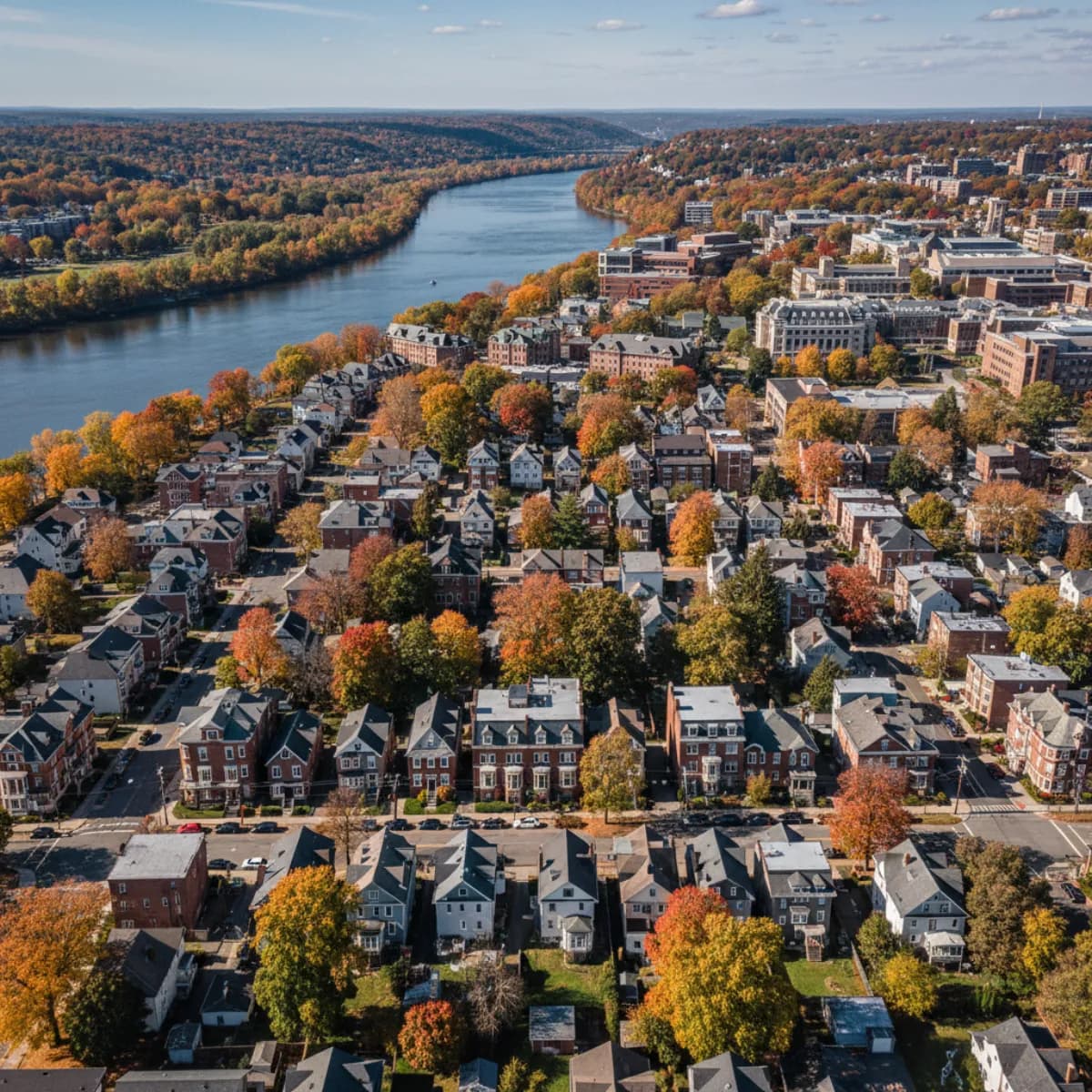
Troy is a city of approximately 52,000 residents in Rensselaer County, situated on the eastern bank of the Hudson River at the head of tidal navigation, directly across from Albany in the heart of New York's Capital District. Once a major industrial powerhouse known for iron production, bell founding, and the shirt collar manufacturing that earned it the nickname “Collar City,” Troy today is a vibrant college town anchored by Rensselaer Polytechnic Institute (RPI), one of the nation's oldest technological universities. The city's industrial heritage left behind a remarkable architectural legacy: block after block of 19th-century brick row houses, Italianate commercial buildings, and Victorian residences that make Troy's downtown one of the most architecturally significant in the Northeast.
What makes Troy's roofing landscape unique is the sheer density of its historic building stock combined with punishing Capital District winters. The city's signature brick row houses present challenges rarely found in suburban markets: flat and low-slope roofs requiring membrane systems, shared party walls that complicate flashing and drainage, ornate cornices and parapets needing specialized waterproofing, and narrow streets that limit equipment access. Beyond downtown, Troy's residential neighborhoods climb steep hillsides from the river to the RPI campus, where elevation changes intensify freeze-thaw cycling and wind exposure. With 55-60 inches of annual snowfall, ice dams are a persistent threat to the city's aging housing stock, much of which predates modern insulation standards.
RoofVista connects Troy homeowners with pre-vetted New York contractors who understand the specific demands of Capital District roofing, from historic row house flat roof replacements downtown to shingle installations in Lansingburgh and South Troy. Enter your address to get an instant satellite-based roof estimate, then compare standardized quotes from contractors who specialize in ice dam prevention, historic preservation, and winter-weather protection across Rensselaer County.
Roofing Challenges Unique to Troy
~Heavy Snowfall & Ice Dam Formation
Troy receives 55-60 inches of snow annually with temperatures regularly dropping below 0 degrees F in January and February. The city's aging housing stock, much of it built in the 1800s with minimal insulation, creates ideal conditions for devastating ice dams. Heat escaping through poorly insulated attics melts snow on upper roof sections, and meltwater refreezes at colder eaves, forcing water under roofing materials and into walls. Troy's brick row houses are particularly vulnerable because shared party walls disrupt natural attic airflow.
- - R-49 attic insulation minimum recommended
- - Balanced soffit-to-ridge ventilation critical
- - Ice and water shield on all edges and valleys
- - Snow load assessment for older structures
* Historic Brick Row House Architecture
Troy possesses one of the largest intact collections of 19th-century row house architecture in the United States, rivaling cities many times its size. These attached brick buildings line entire downtown blocks with flat or low-slope roofs, ornate cornices, and shared party walls that present roofing challenges rarely encountered in suburban markets. The Central Troy Historic District mandates careful material selection under the Architectural Review Committee's oversight.
- - Flat roof membrane systems (EPDM, TPO)
- - Shared party wall flashing expertise
- - Cornice and parapet waterproofing
- - Architectural Review Committee approval
=Freeze-Thaw Cycling & Material Stress
Troy's Capital District location subjects roofing materials to relentless freeze-thaw cycling from November through April. Water infiltrates small cracks in shingles, flashing, and membrane seams during daytime thaws, then expands as it refreezes overnight, progressively widening gaps and accelerating deterioration. Homes on the steep hillsides between the Hudson River and RPI experience amplified thermal cycling due to elevation-driven temperature differences and greater wind exposure.
- - Freeze-thaw rated materials essential
- - Enhanced flashing at all penetrations
- - Annual spring inspection recommended
- - Proper drainage to prevent ponding
!Aging Housing Stock & Deferred Maintenance
Much of Troy's residential housing predates modern building codes, with many homes dating to the mid-1800s through early 1900s. Decades of deferred maintenance in some neighborhoods mean roofing projects frequently uncover deteriorated sheathing, inadequate structural support, and outdated ventilation systems. A comprehensive roof replacement in Troy often involves more than just new shingles or membranes; it requires system-level upgrades to insulation, ventilation, and sometimes structural reinforcement.
- - Structural assessment included with quotes
- - Sheathing replacement common
- - Insulation and ventilation upgrades
- - Code compliance updates
Historic Preservation & Troy's Architectural Heritage
Troy's architectural significance extends far beyond local interest. The city's downtown row house blocks represent one of the best-preserved examples of 19th-century urban architecture in the country, with Italianate, Second Empire, and Romanesque Revival buildings standing shoulder to shoulder along streets like First, Second, and Third Streets. Understanding the preservation requirements is essential for any roofing project in Troy's historic core.
Central Troy Historic District
The largest and most significant historic district in the city, encompassing the core downtown area with blocks of attached brick row houses, commercial buildings, and civic structures from the 1830s through 1890s. Roofing projects here require Architectural Review Committee approval, with natural slate or historically compatible alternatives typically mandated for visible roof surfaces. Flat roof membrane replacements on row houses are generally approved without material restrictions as long as they are not visible from the street.
RPI Campus & Hillside Neighborhood
The area surrounding Rensselaer Polytechnic Institute features a mix of institutional buildings, Victorian homes, and student rental properties climbing the steep hillside from downtown to the campus plateau. While not all properties fall within a formal historic district, many are contributing structures that benefit from period-appropriate roofing. The hillside location increases wind exposure and makes equipment access challenging for some properties.
Washington Park & Burden Iron Works Area
South Troy's Washington Park area features notable Victorian and Italianate homes dating to Troy's industrial heyday when the Burden Iron Works was the city's largest employer. These grand residences often have complex roof geometries including towers, dormers, and decorative slate work. The Burden Iron Works Historic District includes contributing residential structures with preservation considerations for roofing materials and design.
Key takeaway:Troy's historic districts protect the city's nationally significant architecture but add 2-4 weeks and potentially higher material costs to roofing projects. Pre-vetted contractors through RoofVista are experienced with the Troy Architectural Review Committee process and can guide homeowners through material selection that satisfies both preservation standards and winter weather performance requirements.
Troy Building & Permitting Requirements
Important Local Regulations
Building Permits
Required for all roof replacements through the City of Troy Bureau of Code Enforcement. Permit fees typically range from $75 to $250 depending on project scope. Inspections are conducted to verify underlayment installation and final completion meet New York State building code requirements.
Historic District Requirements
Properties within the Central Troy Historic District and other designated areas must obtain approval from the Troy Architectural Review Committee before beginning work. The committee reviews proposed materials, colors, and profiles to ensure compatibility with the district's architectural character. Natural slate or approved alternatives are typically required for visible roof surfaces on historic row houses.
Row House Considerations
Troy's attached row house construction means roofing projects often involve shared party walls, adjacent parapet flashing, and drainage systems that affect neighboring properties. Coordination with adjacent property owners may be required, and contractors must take care not to damage neighboring roofs or walls during the work. Party wall flashing must maintain watertight integrity for both properties.
New York State Licensing
New York State requires all roofing contractors to be licensed and carry general liability and workers compensation insurance. The city of Troy may impose additional registration requirements for contractors performing permitted work. RoofVista pre-vets all contractors for proper NY licensing, insurance coverage, and Capital District experience.
Most Popular Roofing Materials in Troy
#1: Architectural Shingles (Freeze-Thaw Rated)
The most popular roofing material across Troy's residential neighborhoods, from Lansingburgh to South Troy. Modern architectural shingles rated for freeze-thaw cycling and high winds provide excellent protection against Capital District winters at an affordable price point. Impact-resistant Class 4 options add hail protection for homes on exposed hillsides. Algae-resistant formulations combat the moss growth promoted by Hudson River valley humidity.
Best For:
Most Troy residential homes
Lifespan:
25-35 years
Cost Range:
$8,000 - $14,000
Wind Rating:
110-130 mph
#2: EPDM & TPO Flat Roof Membranes
Essential for Troy's downtown row houses, which overwhelmingly feature flat or very low-slope roofs. EPDM rubber provides proven performance through decades of Capital District winters, while TPO offers superior UV reflectivity and heat welded seams that eliminate the adhesive failures common in freeze-thaw environments. Proper drainage design is critical on flat roofs to prevent ponding water that accelerates membrane degradation and adds dangerous ice weight in winter.
Best For:
Flat-roofed row houses, commercial
Lifespan:
20-30 years
Cost Range:
$8,000 - $16,000
Key Feature:
Freeze-thaw resistant seams
#3: Natural & Synthetic Slate
The historically appropriate choice for Troy's 19th-century architecture, natural slate remains the preferred material in the Central Troy Historic District and on the city's grand Victorian homes. Vermont and New York quarry slate provides 75-100+ year lifespans and authentic period appearance. Synthetic slate alternatives offer a more affordable option that satisfies some historic review requirements while providing modern installation advantages and lighter weight on aging structures.
Best For:
Historic district homes, Victorians
Lifespan:
75-100+ years (natural)
Cost Range:
$15,000 - $25,000+
Key Feature:
Historic Review Committee approved
#4: Standing Seam Metal
Increasingly popular in Troy's non-historic residential neighborhoods for its excellent snow-shedding properties and 40-70 year lifespan. Standing seam metal prevents dangerous snow and ice accumulation that threatens older structures, and the interlocking panel design handles the high winds channeled through the Hudson River valley. Metal is particularly well-suited for Troy's hillside homes where steep pitches and wind exposure are common.
Best For:
Snow shedding, hillside homes
Lifespan:
40-70 years
Cost Range:
$14,000 - $22,000
Wind Rating:
140+ mph
Troy Average Roof Cost: $8,000 - $20,000 for a typical home. Historic row houses with slate or premium flat roof membranes may range higher. Get your exact price with a free instant quote.
Troy Neighborhoods We Serve
Downtown / Central Troy
- - River Street corridor
- - Historic brick row houses
- - Monument Square
- - Flat roof specialists needed
- - Architectural Review oversight
Lansingburgh
- - North Troy neighborhood
- - Second Avenue corridor
- - Mix of row houses and singles
- - Victorian-era homes
- - Older housing stock
South Troy
- - Washington Park area
- - Burden Iron Works district
- - Worker housing stock
- - Multi-family homes
- - Revitalization underway
RPI / Hillside
- - Campus-adjacent homes
- - Steep hillside properties
- - Victorian residences
- - Student rental properties
- - Enhanced wind exposure
North Central
- - Hoosick Street area
- - Brunswick Road corridor
- - Suburban-style homes
- - Post-war construction
- - Standard pitched roofs
East Side / Pawling Avenue
- - Residential streets
- - Colonial and Cape Cod
- - Established families
- - Moderate density
- - Standard roofing needs
What Drives Roof Replacement Costs in Troy?
Troy's roofing costs are shaped by factors unique to a historic Hudson River city with severe winters and a diverse building stock ranging from grand Victorian homes to attached row house blocks. Understanding these cost drivers helps homeowners budget accurately and avoid surprises.
Historic Preservation Requirements
Properties in the Central Troy Historic District must use materials approved by the Architectural Review Committee. Natural slate, copper flashing, and period-appropriate detailing add $3,000-$8,000 over standard materials. However, these premium materials offer dramatically longer lifespans, often making the investment worthwhile over decades of ownership.
Row House Complexity
Attached row house construction adds complexity that detached homes do not face. Shared party walls require careful flashing work, parapet waterproofing demands specialized skills, and flat roof membrane installation requires proper drainage design to prevent ponding. Narrow downtown streets may limit equipment access, adding labor time. Row house projects typically cost 10-20% more than equivalent detached home projects.
Winter Weather Upgrades
Troy's severe winters demand ice and water shield on all roof edges (NY code minimum 3 feet past exterior walls), upgraded insulation, and proper ventilation systems. These cold-climate requirements add $800-$2,000 to project costs but prevent ice dam damage that would cost far more to repair.
Structural Discoveries
With much of Troy's housing stock dating to the 1800s, roofing projects frequently uncover deteriorated sheathing, rotted rafters, or inadequate structural support that was hidden under old roofing layers. Experienced contractors include contingency allowances for these discoveries, which can add $1,000-$4,000 to project costs when significant repairs are needed.
Roofing Tips for Troy Homeowners
Address Ice Dam Prevention During Replacement
A roof replacement is the ideal time to add proper ice and water shield, upgrade attic insulation to R-49, and install balanced soffit-to-ridge ventilation. These upgrades prevent the ice dams that plague Troy's older homes and pay for themselves by avoiding interior water damage within a few winters.
Check Historic District Status Before Getting Quotes
If your property is in the Central Troy Historic District, contact the Architectural Review Committee early in the planning process. Material restrictions will significantly affect your quote and timeline. Knowing the requirements upfront prevents costly change orders and delays after work has begun.
Coordinate with Row House Neighbors
If you own a row house, coordinate with your attached neighbors. Shared party wall flashing work benefits from simultaneous roof projects, and some contractors offer discounts when multiple adjacent row houses are done together. At minimum, notify neighbors so they can protect interiors from potential dust or debris during the project.
Schedule a Spring Inspection After Every Winter
Troy's freeze-thaw cycles take a cumulative toll on roofing materials. An annual spring inspection after snow melt catches small problems like cracked flashing, lifted shingles, or membrane separations before they become major leaks. This is especially important for flat-roofed row houses where ponding water can hide membrane damage.
Budget for Structural Contingencies
With housing stock as old as Troy's, setting aside 10-15% above your quoted price for structural discoveries is prudent. Rotted sheathing, deteriorated rafters, and decades of layered patching are common finds once old roofing is removed. A transparent contractor will flag potential issues during the initial inspection and include contingency pricing in their quote.
Frequently Asked Questions About Troy Roofing
How much does a roof replacement cost in Troy, NY?
Architectural shingle roofs cost $8,000-$14,000 in Troy. Historic row houses with slate or flat membrane systems run $14,000-$20,000+. Troy's Capital District location keeps labor rates moderate compared to NYC metro, but specialized historic materials and the complexity of attached row house structures add to costs.
What roofing materials are best for Troy's climate?
Architectural shingles rated for freeze-thaw are the most popular for residential neighborhoods. Standing seam metal excels at snow shedding. Natural slate is historically appropriate for 19th-century row houses. EPDM rubber and TPO are standard for flat-roofed row houses downtown. All installations require ice and water shield per NY code.
How do ice dams affect Troy roofs?
Ice dams are a major concern in Troy due to 55-60 inches of annual snowfall and aging housing stock from the 1800s. Brick row houses are especially vulnerable because shared party walls complicate ventilation. Prevention requires R-49 insulation, balanced soffit-to-ridge ventilation, and ice and water shield on all edges and valleys.
Do I need a permit for roof replacement in Troy?
Yes, Troy requires building permits through the Bureau of Code Enforcement ($75-$250). Properties in historic districts need Troy Architectural Review Committee approval, which adds 2-4 weeks. Row house projects may require coordination with neighboring property owners for shared party wall work.
What makes Troy's row house roofing unique?
Troy has one of America's largest intact 19th-century row house collections. These attached brick buildings often have flat or low-slope roofs needing EPDM/TPO membranes, shared party walls complicating flashing, and parapets requiring specialized waterproofing. Historic districts mandate period-appropriate materials like natural slate.
When is the best time for roof replacement in Troy?
May through October is ideal for proper sealant adhesion. Book in late winter or early spring for priority scheduling. Troy's steep hillside terrain and narrow downtown streets make winter access difficult. Emergency flat roof repairs can be done year-round with cold-weather membrane systems.
How does Troy's Hudson River location affect roofing?
The Hudson River channels wind through the valley, increasing wind stress on roofing. River humidity promotes moss and algae growth. Homes on hillsides between the river and RPI experience enhanced wind exposure and rapid freeze-thaw cycling. Valley fog keeps roofs damp, accelerating material degradation.
Does the Troy Architectural Review Committee affect my roofing project?
Only if your property is in the Central Troy Historic District or another designated area. The committee reviews roofing materials, colors, and profiles to preserve Troy's nationally significant row house streetscapes. Expect 2-4 weeks added to project timelines. Properties outside historic districts follow standard building code only.
Nearby Cities & New York Roofing Resources
Albany Roofing Quotes
Instant estimates for New York's capital city across the Hudson (6 miles west)
Schenectady Roofing Quotes
Instant estimates for the Electric City and Stockade District (20 miles west)
Saratoga Springs Roofing Quotes
Instant estimates for Saratoga County homes (30 miles north)
New York State Overview
All New York roofing resources and city pages
Get Your Troy Roof Quote in Minutes
Enter your address to compare instant quotes from pre-vetted Capital District contractors who specialize in historic row house roofing, ice dam prevention, and winter-weather protection for Troy and Rensselaer County homes